Vertonte Präsentation
Ein Dokument wird zur Präsentation, die sich selbst vorträgt: Sprecher, Untertitel, HTML-Deck und MP4.
Vertonte Präsentation: Beispielfilme und Stile →
So funktioniert's
- 1Kopiere den Installations-Prompt und füge ihn in deinen Agenten ein.
- 2Dein Agent prüft mit mo doctor Node.js, FFmpeg und Chrome und sagt dir, wie du Fehlendes installierst.
- 3Gib ihm dein Material. Er rendert ein MP4 auf deinem Rechner, und Änderungen beschreibst du in eigenen Worten.
Füge ihn in Claude Code, Codex, Cursor oder einen anderen Agenten ein, der Skills unterstützt.
Filme, die er gemacht hat
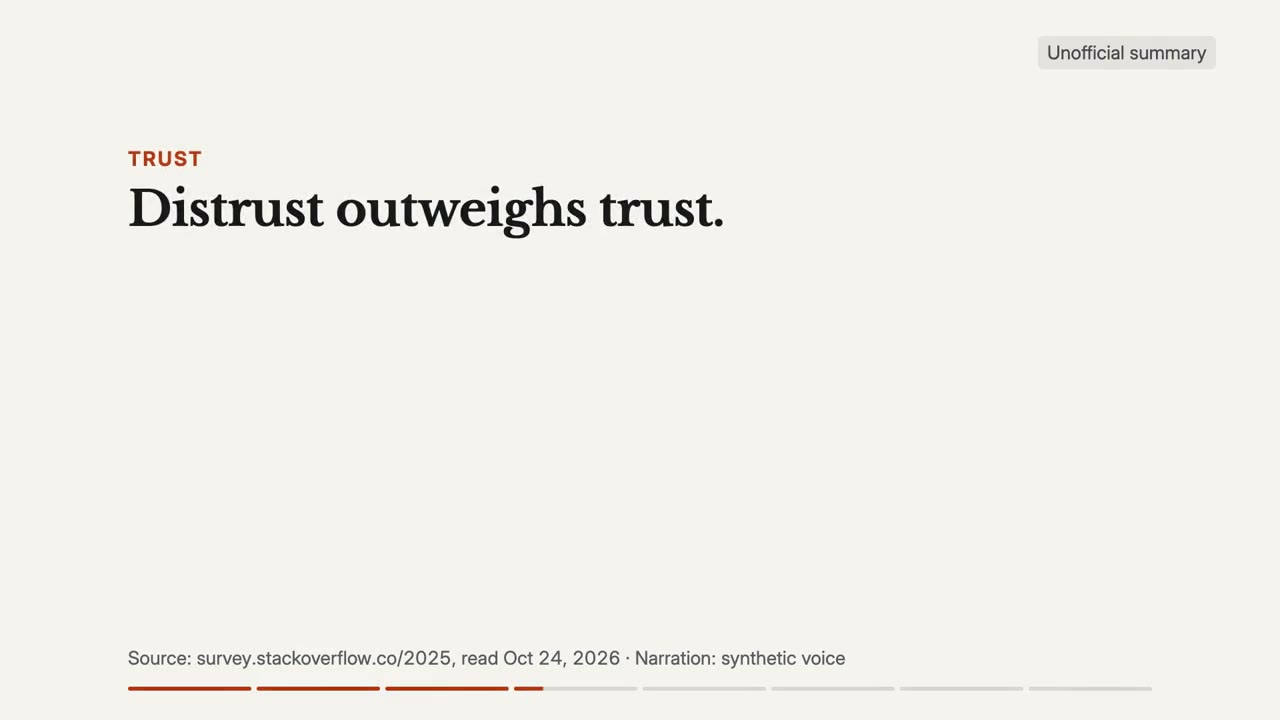
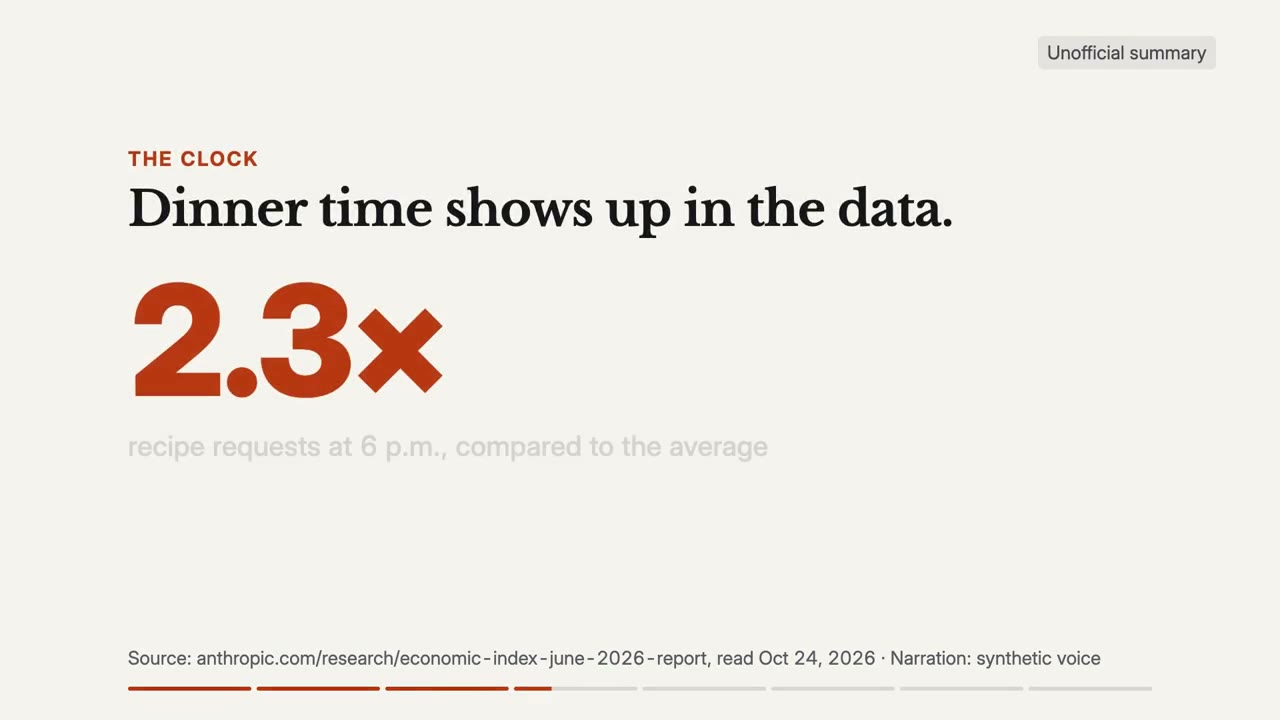
Mehr braucht es nicht
Kein API-SchlüsselMehr braucht es nicht
- Ein Dokument, Artikel oder Skript
Abhängigkeiten
Node.js 22+, FFmpeg und Chrome. Stimme: deine eigene Aufnahme, eine ElevenLabs- oder HeyGen-Stimme oder eine kostenlose synthetische Stimme (einmal heruntergeladen, etwa 350 MB). Für die kostenlose Stimme keine API-Schlüssel nötig.
Vor dem Start prüft dein Agent mit mo doctor Node.js, FFmpeg und Chrome und sagt dir, wie du Fehlendes installierst; braucht dieser Skill mehr (etwa whisper für Untertitel), steht das in seiner Anleitung.
Use the deck-director skill to turn this PDF report into a 2-minute narrated deck with captions.
Turn the attached [report, survey or paper] into a 90-second narrated deck of about [N] slides: one point per slide in the document's own words, one of its figures per slide with the page it comes from, the answer on the first slide for [who will watch, e.g. the people at my presentation]. Read it with [my recording / my ElevenLabs or HeyGen voice / a free synthetic voice], change each slide on the words that say it, and give me the MP4, captions and a deck I can click through. Use only the document I attach and its numbers; don't change a word or number. End on the answer and the source, held for 3 seconds.

Document: [file or link]
Audience: [who]
Nichts zu installieren: Füge ihn in Claude Motion (Team oder Enterprise) ein oder gib ihn Opus 5.5, für einen ähnlichen Look. Das Ergebnis fällt bei jedem Durchlauf anders aus; der Skill arbeitet mit deinem eigenen Material und rendert auf deinem Rechner.